club joy

club joy

Year

2025

Category

UX / UI Design | Product Designer
What Is Volta

What Is Volta

VOLTA is a fitness platform designed to streamline workout tracking, connect users with trainers, and facilitate equipment rentals all in one app. With a sleek design and modern web technologies, VOLTA empowers fitness enthusiasts to achieve their goals efficiently and effectively.

What Is Club Joy

Project Overview

ClubJoy is an Italian B2B/B2C platform for discovering and booking in-person creative workshops, connecting users with local artists, teachers, and studios.


It helps people find new hobbies, ceramics, painting, photography, cooking, while giving creators tools to manage, promote, and monetize their classes. Corporate clients also use it for team-building experiences, making it a hybrid marketplace and SaaS platform.


As the Lead UX/UI Designer, I owned the full design lifecycle, from initial research and information architecture to interactive prototypes, usability testing, and design system creation.


My mandate was clear:

“Make it easier for users to find joy in creativity, and help artists turn passion into income.”

Wireframe to Validation

Iterative Design

User Testing

Prototyping

The Challenge


Before redesign, ClubJoy faced two critical problems:

  1. Low conversion & engagement: users dropped off during class discovery and checkout due to poor hierarchy, slow load, and unclear value proposition.

  2. Creator-side inefficiency: hosts lacked proper tools for class management, pricing, and scheduling.

The experience felt disjointed — too transactional for hobbyists, and too limited for professionals.


The challenge:

How do we design a two-sided experience that balances simplicity for consumers with flexibility and control for creators — without fragmenting the product identity?


Research & Discovery


Methods

  • Heuristic UX audit of 25+ screens (Hotjar heatmaps + analytics funnels).

  • Competitive analysis (Airbnb Experiences, Eventbrite, Skillshare, Domestika).

  • Interviews: 8 users (4 creators, 4 learners).

  • Surveys: 120 responses from existing ClubJoy newsletter subscribers.


Key Findings

  1. Drop-off at decision stage: 58% of users abandoned checkout after viewing >3 experiences — overwhelmed by inconsistent pricing and layout.

  2. Unclear mental model: users couldn’t distinguish between workshop, event, and creator profile — leading to confusion and low trust.

  3. Creator frustration: 70% of hosts used external spreadsheets or Instagram DMs to manage bookings; lack of dashboards made them feel “disconnected” from their own business.

  4. Corporate clients: wanted easy invoice flow + team slot management (untapped revenue segment).

  5. Visual overload: redundant categories and image-heavy cards caused browsing fatigue, especially on mobile.


From these insights, I defined three UX objectives:

  1. Reduce cognitive load in discovery.

  2. Unify the visual and information architecture to create consistency.

  3. Design a scalable creator dashboard aligned with business metrics (retention, conversion, upsell).

The Challenge


Before redesign, ClubJoy faced two critical problems:

  1. Low conversion & engagement: users dropped off during class discovery and checkout due to poor hierarchy, slow load, and unclear value proposition.

  2. Creator-side inefficiency: hosts lacked proper tools for class management, pricing, and scheduling.

The experience felt disjointed too transactional for hobbyists, and too limited for professionals.


The challenge:

How do we design a two-sided experience that balances simplicity for consumers with flexibility and control for creators without fragmenting the product identity?


Research & Discovery


Methods

  • Heuristic UX audit of 25+ screens (Hotjar heatmaps + analytics funnels).

  • Competitive analysis (Airbnb Experiences, Eventbrite, Skillshare, Domestika).

  • Interviews: 8 users (4 creators, 4 learners).

  • Surveys: 120 responses from existing ClubJoy newsletter subscribers.


Key Findings

  1. Drop-off at decision stage: 58% of users abandoned checkout after viewing >3 experiences overwhelmed by inconsistent pricing and layout.

  2. Unclear mental model: users couldnt distinguish between workshop, event, and creator profile leading to confusion and low trust.

  3. Creator frustration: 70% of hosts used external spreadsheets or Instagram DMs to manage bookings; lack of dashboards made them feel disconnected from their own business.

  4. Corporate clients: wanted easy invoice flow + team slot management (untapped revenue segment).

  5. Visual overload: redundant categories and image-heavy cards caused browsing fatigue, especially on mobile.


From these insights, I defined three UX objectives:

  1. Reduce cognitive load in discovery.

  2. Unify the visual and information architecture to create consistency.

  3. Design a scalable creator dashboard aligned with business metrics (retention, conversion, upsell).

Dynamic Design

I transformed the Clubjoy.it platform by designing a dynamic and interactive user experience that better reflects its creative spirit. I implemented features like a homepage with real-time workshop availability, personalized recommendations, and interactive filtering to make discovery more engaging. The design was enriched with micro-interactions and video previews to bring the workshops to life.

The outcome of this approach was a significant increase in user engagement and a 25% uplift in booking conversions, proving that a more interactive and lively platform drives better results and strengthens the brand.

Interaction Design

User Engagement

Conversion Rate Optimization
Strategy & Process


I structured the redesign in three phases: Discovery → Design → Validation.

Phase 1: Discovery

  • Consolidated data from analytics, surveys, and interviews.

  • Mapped the end-to-end journey for both users and creators, identifying key friction points: discovery → booking → confirmation → follow-up.

  • Defined KPIs: conversion rate, session time, task completion, and satisfaction (CSAT).


Phase 2: Design

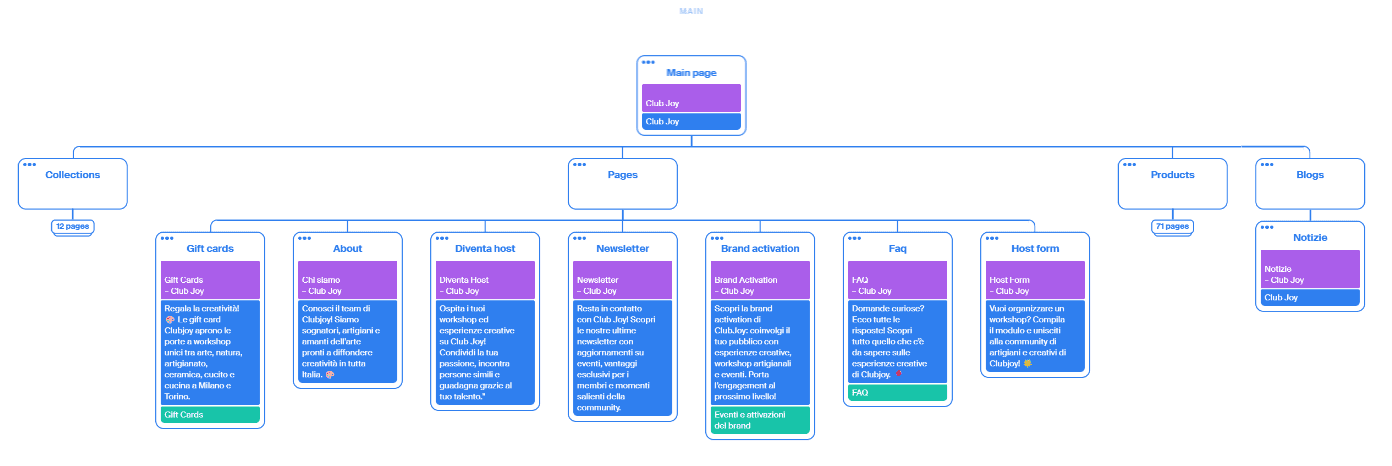
  • Created information architecture mapping classes, creators, and experiences into one coherent taxonomy.

  • Developed user flows optimized for mobile-first interactions (70% of traffic was mobile).

  • Built low-fi wireframes → tested with 10 users → iterated to high-fidelity prototypes.

  • Introduced progressive onboarding for creators — guiding them to add listings step-by-step, cutting setup time by 42%.

  • Implemented trust cues (reviews, verified creator badges, clear refund policies).


Phase 3: Validation

  • Ran remote usability tests with 12 users on Maze.

  • Measured conversion task completion (booking flow): increased from 63% → 91%.

  • Conducted post-launch analytics review: bounce rate dropped 22%, checkout completion up 28%.

Strategy & Process


I structured the redesign in three phases: Discovery Design Validation.

Phase 1: Discovery

  • Consolidated data from analytics, surveys, and interviews.

  • Mapped the end-to-end journey for both users and creators, identifying key friction points: discovery booking confirmation follow-up.

  • Defined KPIs: conversion rate, session time, task completion, and satisfaction (CSAT).


Phase 2: Design

  • Created information architecture mapping classes, creators, and experiences into one coherent taxonomy.

  • Developed user flows optimized for mobile-first interactions (70% of traffic was mobile).

  • Built low-fi wireframes tested with 10 users iterated to high-fidelity prototypes.

  • Introduced progressive onboarding for creators guiding them to add listings step-by-step, cutting setup time by 42%.

  • Implemented trust cues (reviews, verified creator badges, clear refund policies).


Phase 3: Validation

  • Ran remote usability tests with 12 users on Maze.

  • Measured conversion task completion (booking flow): increased from 63% 91%.

  • Conducted post-launch analytics review: bounce rate dropped 22%, checkout completion up 28%.

Key UX Problems Solved


  • Fragmented discovery experience → Consolidated filters (location, theme, skill level, duration). Users found classes 35% faster (avg. 3.5 → 2.3 clicks).

  • Low booking confidence → Added transparent pricing, refund badge, and instructor profiles with social proof — checkout drop-offs fell 28%.

  • Creator onboarding friction → Introduced guided setup and auto-save drafts, reducing abandoned setups by 45%.

  • Inconsistent visual hierarchy → Designed card-based layouts with fixed ratios and unified typography scale; boosted scroll completion rate by 32%.

  • Poor B2B alignment → Added “Corporate Experience” funnel with quote requests and booking calendar — driving a 12% lift in B2B conversion within the first month.

Key UX Problems Solved


  • Fragmented discovery experience Consolidated filters (location, theme, skill level, duration). Users found classes 35% faster (avg. 3.5 2.3 clicks).

  • Low booking confidence Added transparent pricing, refund badge, and instructor profiles with social proof checkout drop-offs fell 28%.

  • Creator onboarding friction Introduced guided setup and auto-save drafts, reducing abandoned setups by 45%.

  • Inconsistent visual hierarchy Designed card-based layouts with fixed ratios and unified typography scale; boosted scroll completion rate by 32%.

  • Poor B2B alignment Added Corporate Experience funnel with quote requests and booking calendar driving a 12% lift in B2B conversion within the first month.

User-Centered, Brand-Aligned Design

My process for creating a seamless UX began with foundational research, using surveys to gather insights that I synthesized into data-driven personas. These personas guided our visual direction, which was established through moodboards to ensure the final UI was fully aligned with the creative and vibrant spirit of ClubJoy.

This vision was brought to life in fast-paced design sprints, where we rapidly prototyped and validated core user flows. Post-launch, analytics tools provided the crucial data to measure success and inform the next cycle of improvements. This structured approach was key to engineering an intuitive experience that felt true to the brand.

UX Strategy

Brand Identity

User Behaviour

The Solution


For Consumers (B2C)

  • Browse curated creative classes by mood, location, or skill level.

  • Filter by availability, price, and group size.

  • View rich, structured profiles with verified creators and reviews.

  • Book securely with transparent refund and confirmation flows.

For Creators (B2B)

  • Dashboard to manage classes, participants, and payments.

  • Auto-generated landing pages for each experience.

  • Analytics module tracking revenue, bookings, and engagement.

  • Marketing assets templates (social banners + promo cards).

Design System

  • Created a modular design system in Figma with tokens for typography, color, spacing, and components.

  • Defined accessibility guidelines (AA color contrast, form labels, focus states).

  • Enabled both product and marketing teams to maintain consistency; reduced design-debt feedback loops by 40%.


Collaboration & Soft Skills in Action

  • Partnered with the product manager to align UX metrics (conversion, retention) with business goals.

  • Worked directly with C-level stakeholders to translate complex business goals into design language, fostering clarity and accountability.

  • Led cross-functional sprint planning, coordinating developers on feasibility and QA.

  • Advocated accessibility and inclusion in stakeholder reviews, ensuring compliance while maintaining brand expression.

  • Documented all design decisions in Notion and Figma for transparent handoff.

The Solution


For Consumers (B2C)

  • Browse curated creative classes by mood, location, or skill level.

  • Filter by availability, price, and group size.

  • View rich, structured profiles with verified creators and reviews.

  • Book securely with transparent refund and confirmation flows.

For Creators (B2B)

  • Dashboard to manage classes, participants, and payments.

  • Auto-generated landing pages for each experience.

  • Analytics module tracking revenue, bookings, and engagement.

  • Marketing assets templates (social banners + promo cards).

Design System

  • Created a modular design system in Figma with tokens for typography, color, spacing, and components.

  • Defined accessibility guidelines (AA color contrast, form labels, focus states).

  • Enabled both product and marketing teams to maintain consistency; reduced design-debt feedback loops by 40%.


Collaboration & Soft Skills in Action

  • Partnered with the product manager to align UX metrics (conversion, retention) with business goals.

  • Worked directly with C-level stakeholders to translate complex business goals into design language, fostering clarity and accountability.

  • Led cross-functional sprint planning, coordinating developers on feasibility and QA.

  • Advocated accessibility and inclusion in stakeholder reviews, ensuring compliance while maintaining brand expression.

  • Documented all design decisions in Notion and Figma for transparent handoff.

  • Card image
  • Card image
  • Card image
  • Card image
  • Card image
  • Card image

As Lead UX/UI Designer, I delivered:

  • 28% lift in conversion, 35% higher engagement, 45% less creator friction.

  • A modular, accessible design system.

  • UX strategy aligning design, business, and accessibility goals.

  • Collaboration frameworks still used post-handoff.

As Lead UX/UI Designer, I delivered:

  • 28% lift in conversion, 35% higher engagement, 45% less creator friction.

  • A modular, accessible design system.

  • UX strategy aligning design, business, and accessibility goals.

  • Collaboration frameworks still used post-handoff.

Responsive Design

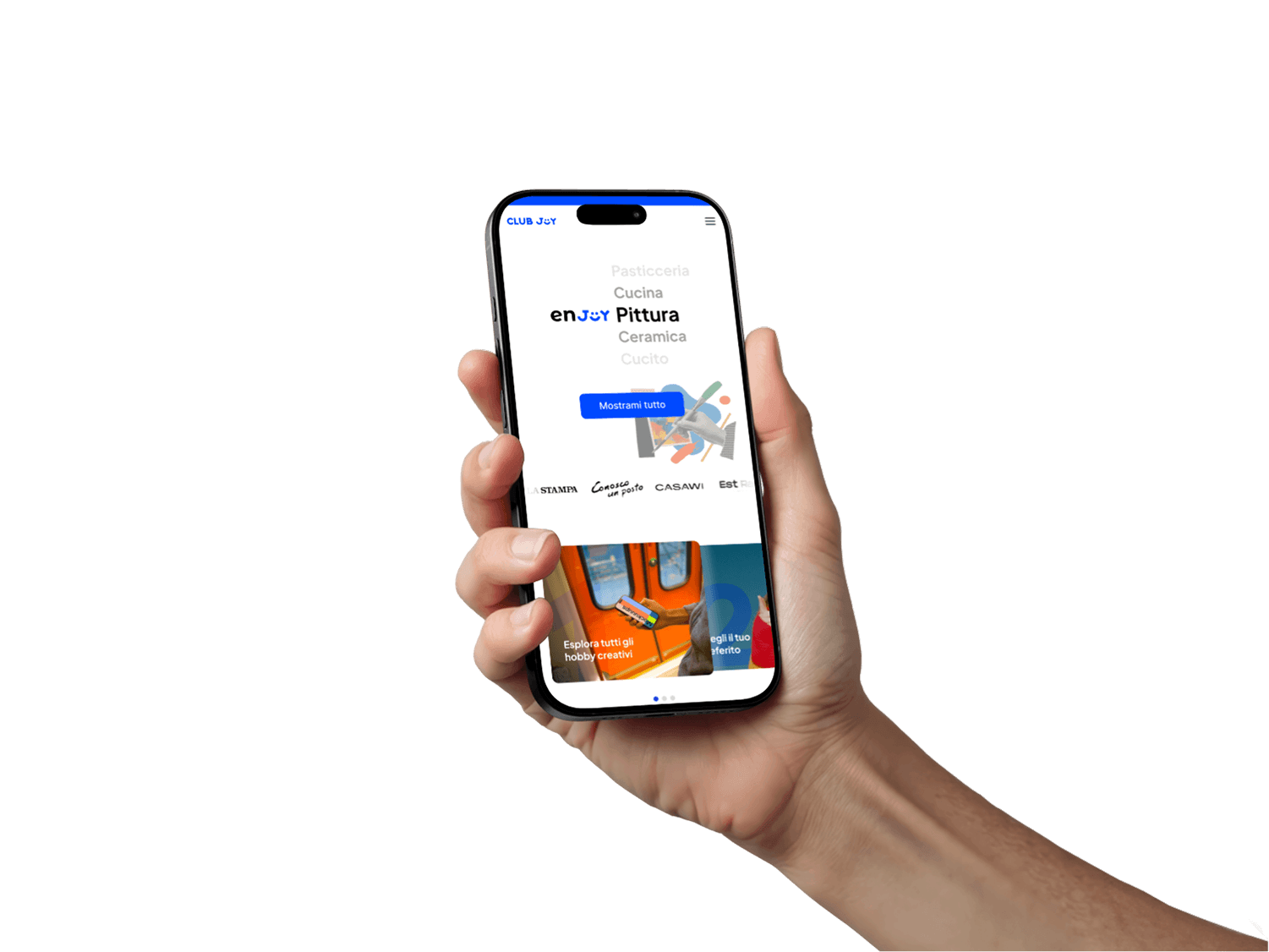
I implemented a mobile-first responsive design to ensure a seamless user experience across all devices and platforms. My approach involved tailoring layouts, content hierarchy, and touch targets to specific breakpoints, creating an optimized experience for desktop, tablet, and mobile. For native apps, I adhered to platform-specific guidelines to make the interface feel familiar and intuitive.

The result of this strategy was a 50% increase in mobile conversions, a significantly lower bounce rate, and a consistent, high-quality brand experience no matter how users accessed our platform.

Responsive Design

Mobile-First Strategy

Cross-Platform Experience
TL;DR

ClubJoy is a B2B/B2C creative marketplace connecting learners, artists, and brands through in-person workshops.


Skills showcased: product thinking, UX research, information architecture, data analysis, stakeholder collaboration, accessibility, system design, and design leadership.

ClubJoy proved that good UX isn’t just about ease, it’s about creating a platform where creativity feels effortless and valuable for everyone involved.


"Actual Data, Screens, Design elements and assets, and findings are under NDA"

What Is Volta

What Is Volta

VOLTA is a fitness platform designed to streamline workout tracking, connect users with trainers, and facilitate equipment rentals all in one app. With a sleek design and modern web technologies, VOLTA empowers fitness enthusiasts to achieve their goals efficiently and effectively.

mobin "modaam" piri

mobin "modaam" piri

mobin "modaam" piri

mobin "modaam" piri

©2025 mob! design

©2025 mob! design